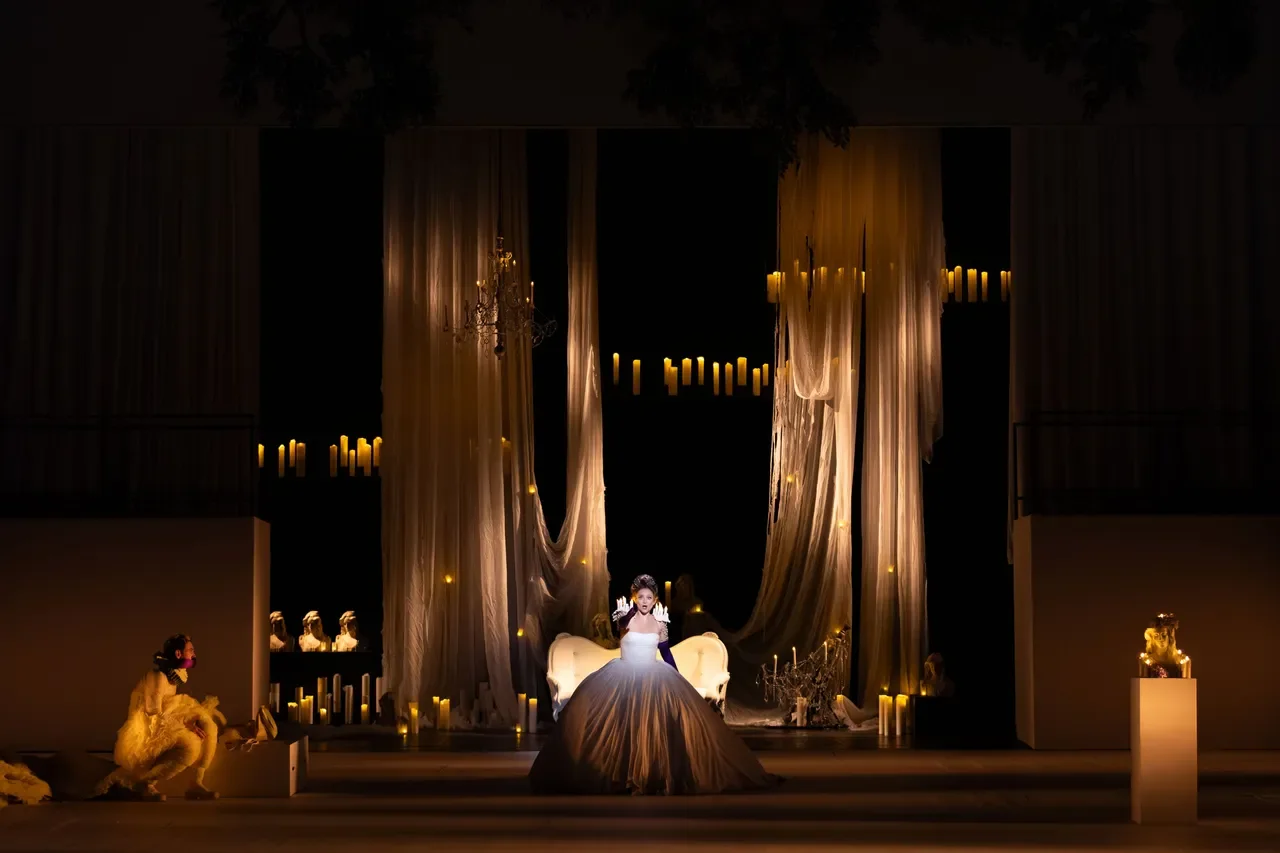
Die Zauberflöte | National Center for the Performing Arts Beijing
Véritable opéra féerique, La Flûte enchantée joue sans cesse sur l’alternance entre deux mondes : le réel et l’irréel, le parlé et le chanté, l’ombre et la lumière, l’homme et la divinité, le bien et le mal… Confronté aux trois âges de l’existence, le héros Tamino s’initie aux épreuves de la vie et gagne l’amour de Pamina, déjouant l’emprise de la célèbre Reine de la nuit avec ses suraigus vertigineux. La nouvelle mise en scène de Julien Duval nous plonge dans un univers magique où la nature reprend toute sa place, en retrouvant la légèreté de la fable tout en nous conduisant vers l’harmonie entre l’homme et les éléments.
Coproduction Opéra National de Bordeaux, National Centre for the Performing Arts (NCPA) de Beijing (Chine)
Avec le concours des Ateliers de l’Opéra National de Bordeaux
Die Zauberflöte | National Center for the Performing Arts Beijing
Véritable opéra féerique, La Flûte enchantée joue sans cesse sur l’alternance entre deux mondes : le réel et l’irréel, le parlé et le chanté, l’ombre et la lumière, l’homme et la divinité, le bien et le mal… Confronté aux trois âges de l’existence, le héros Tamino s’initie aux épreuves de la vie et gagne l’amour de Pamina, déjouant l’emprise de la célèbre Reine de la nuit avec ses suraigus vertigineux. La nouvelle mise en scène de Julien Duval nous plonge dans un univers magique où la nature reprend toute sa place, en retrouvant la légèreté de la fable tout en nous conduisant vers l’harmonie entre l’homme et les éléments.
Coproduction Opéra National de Bordeaux, National Centre for the Performing Arts (NCPA) de Beijing (Chine)
Avec le concours des Ateliers de l’Opéra National de Bordeaux
Die Zauberflöte | National Center for the Performing Arts Beijing
Véritable opéra féerique, La Flûte enchantée joue sans cesse sur l’alternance entre deux mondes : le réel et l’irréel, le parlé et le chanté, l’ombre et la lumière, l’homme et la divinité, le bien et le mal… Confronté aux trois âges de l’existence, le héros Tamino s’initie aux épreuves de la vie et gagne l’amour de Pamina, déjouant l’emprise de la célèbre Reine de la nuit avec ses suraigus vertigineux. La nouvelle mise en scène de Julien Duval nous plonge dans un univers magique où la nature reprend toute sa place, en retrouvant la légèreté de la fable tout en nous conduisant vers l’harmonie entre l’homme et les éléments.
Coproduction Opéra National de Bordeaux, National Centre for the Performing Arts (NCPA) de Beijing (Chine)
Avec le concours des Ateliers de l’Opéra National de Bordeaux
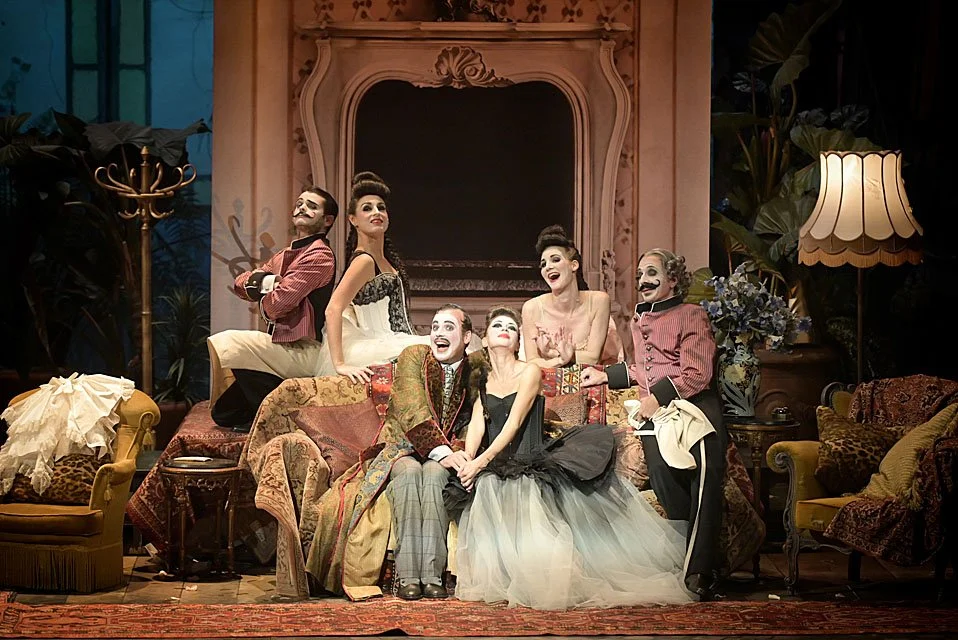
La Vie Parisienne | Opéra de Monte-Carlo
Opéra-bouffe en cinq actes
Musique de Jacques Offenbach (1819-1880)
Livret intégral d’Henri Meilhac et Ludovic Halévy
Création : Paris, Théâtre du Palais-Royal, 31 octobre 1866
Version originale intégrale de 1866
Coproduction Bru Zane France / Opéra Royal de Wallonie-Liège / Opéra Orchestre Normandie Rouen / Théâtre des Champs-Élysées / Opéra Orchestre national Montpellier Occitanie / Opéra de Limoges / Opéra de Tours / Palazzetto Bru Zane
Production déléguée Bru Zane France
Décors, costumes, accessoires et perruques réalisés par les ateliers de l’Opéra Royal de Wallonie-Liège
Éditions musicales Palazzetto Bru Zane
La Vie Parisienne | Opéra de Monte-Carlo
Opéra-bouffe en cinq actes
Musique de Jacques Offenbach (1819-1880)
Livret intégral d’Henri Meilhac et Ludovic Halévy
Création : Paris, Théâtre du Palais-Royal, 31 octobre 1866
Version originale intégrale de 1866
Coproduction Bru Zane France / Opéra Royal de Wallonie-Liège / Opéra Orchestre Normandie Rouen / Théâtre des Champs-Élysées / Opéra Orchestre national Montpellier Occitanie / Opéra de Limoges / Opéra de Tours / Palazzetto Bru Zane
Production déléguée Bru Zane France
Décors, costumes, accessoires et perruques réalisés par les ateliers de l’Opéra Royal de Wallonie-Liège
Éditions musicales Palazzetto Bru Zane
La Vie Parisienne | Opéra de Monte-Carlo
Opéra-bouffe en cinq actes
Musique de Jacques Offenbach (1819-1880)
Livret intégral d’Henri Meilhac et Ludovic Halévy
Création : Paris, Théâtre du Palais-Royal, 31 octobre 1866
Version originale intégrale de 1866
Coproduction Bru Zane France / Opéra Royal de Wallonie-Liège / Opéra Orchestre Normandie Rouen / Théâtre des Champs-Élysées / Opéra Orchestre national Montpellier Occitanie / Opéra de Limoges / Opéra de Tours / Palazzetto Bru Zane
Production déléguée Bru Zane France
Décors, costumes, accessoires et perruques réalisés par les ateliers de l’Opéra Royal de Wallonie-Liège
Éditions musicales Palazzetto Bru Zane
La Vie Parisienne | Opéra de Monte-Carlo
Opéra-bouffe en cinq actes
Musique de Jacques Offenbach (1819-1880)
Livret intégral d’Henri Meilhac et Ludovic Halévy
Création : Paris, Théâtre du Palais-Royal, 31 octobre 1866
Version originale intégrale de 1866
Coproduction Bru Zane France / Opéra Royal de Wallonie-Liège / Opéra Orchestre Normandie Rouen / Théâtre des Champs-Élysées / Opéra Orchestre national Montpellier Occitanie / Opéra de Limoges / Opéra de Tours / Palazzetto Bru Zane
Production déléguée Bru Zane France
Décors, costumes, accessoires et perruques réalisés par les ateliers de l’Opéra Royal de Wallonie-Liège
Éditions musicales Palazzetto Bru Zane
La Vie Parisienne | Opéra de Monte-Carlo
Opéra-bouffe en cinq actes
Musique de Jacques Offenbach (1819-1880)
Livret intégral d’Henri Meilhac et Ludovic Halévy
Création : Paris, Théâtre du Palais-Royal, 31 octobre 1866
Version originale intégrale de 1866
Coproduction Bru Zane France / Opéra Royal de Wallonie-Liège / Opéra Orchestre Normandie Rouen / Théâtre des Champs-Élysées / Opéra Orchestre national Montpellier Occitanie / Opéra de Limoges / Opéra de Tours / Palazzetto Bru Zane
Production déléguée Bru Zane France
Décors, costumes, accessoires et perruques réalisés par les ateliers de l’Opéra Royal de Wallonie-Liège
Éditions musicales Palazzetto Bru Zane
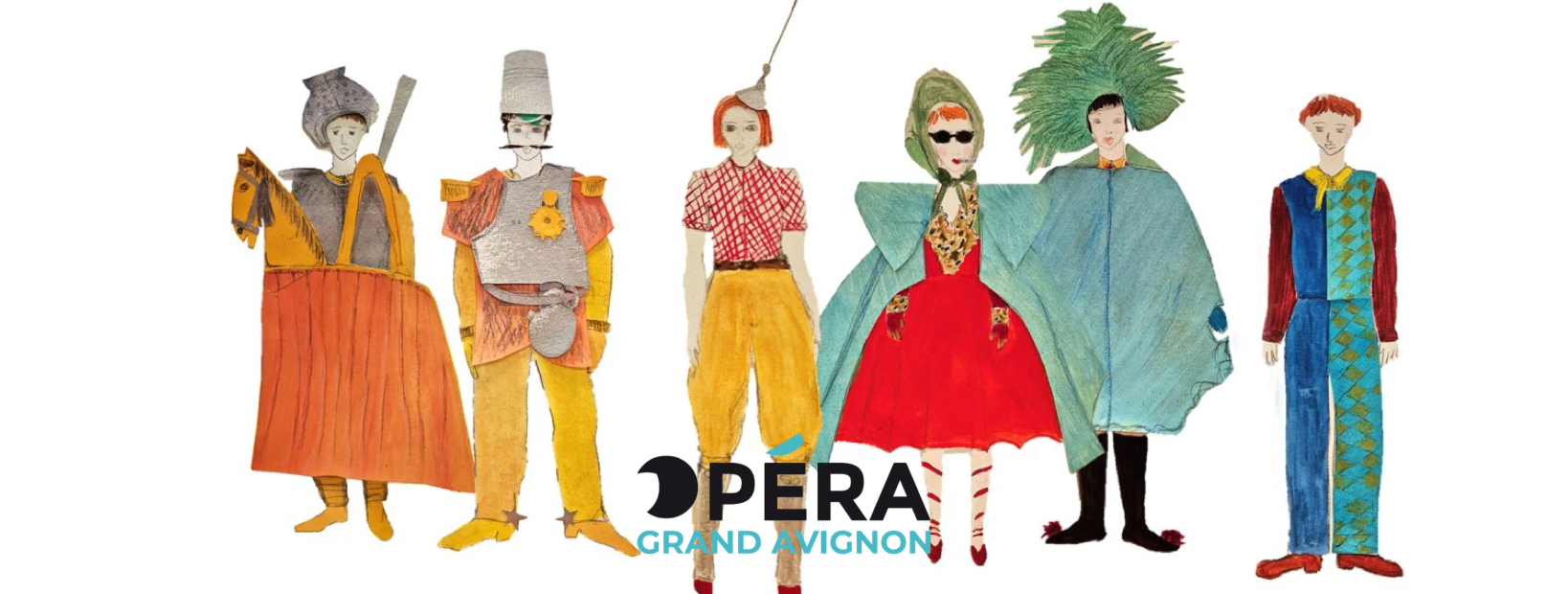
La Fille du Régiment | Opéra Grand Avignon
Opéra participatif d’après l’opéra-comique en deux actes, La Fille du régiment de Gaetano Donizetti (1840)
Arrangement musical et orchestration Pierre-Olivier Schmitt
Adaptation du livret de Jules-Henri Vernoy de Saint-Georges et Jean-François Bayard Héloïse Sérazin
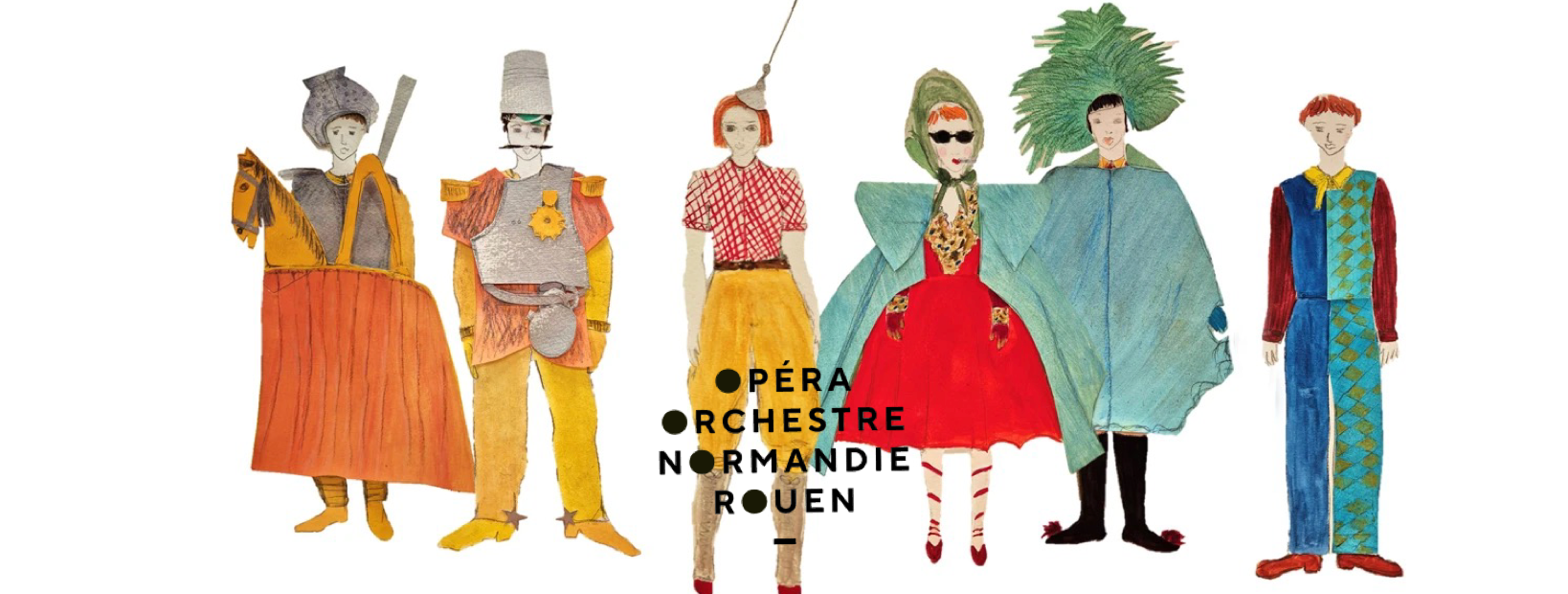
La Fille du Régiment | Opera Rouen Normandie
Opéra participatif d’après l’opéra-comique en deux actes, La Fille du régiment de Gaetano Donizetti (1840)
Arrangement musical et orchestration Pierre-Olivier Schmitt
Adaptation du livret de Jules-Henri Vernoy de Saint-Georges et Jean-François Bayard Héloïse Sérazin
La Fille du Régiment | Opera Rouen Normandie
Opéra participatif d’après l’opéra-comique en deux actes, La Fille du régiment de Gaetano Donizetti (1840)
Arrangement musical et orchestration Pierre-Olivier Schmitt
Adaptation du livret de Jules-Henri Vernoy de Saint-Georges et Jean-François Bayard Héloïse Sérazin
La Fille du Régiment | Opera Rouen Normandie
Opéra participatif d’après l’opéra-comique en deux actes, La Fille du régiment de Gaetano Donizetti (1840)
Arrangement musical et orchestration Pierre-Olivier Schmitt
Adaptation du livret de Jules-Henri Vernoy de Saint-Georges et Jean-François Bayard Héloïse Sérazin
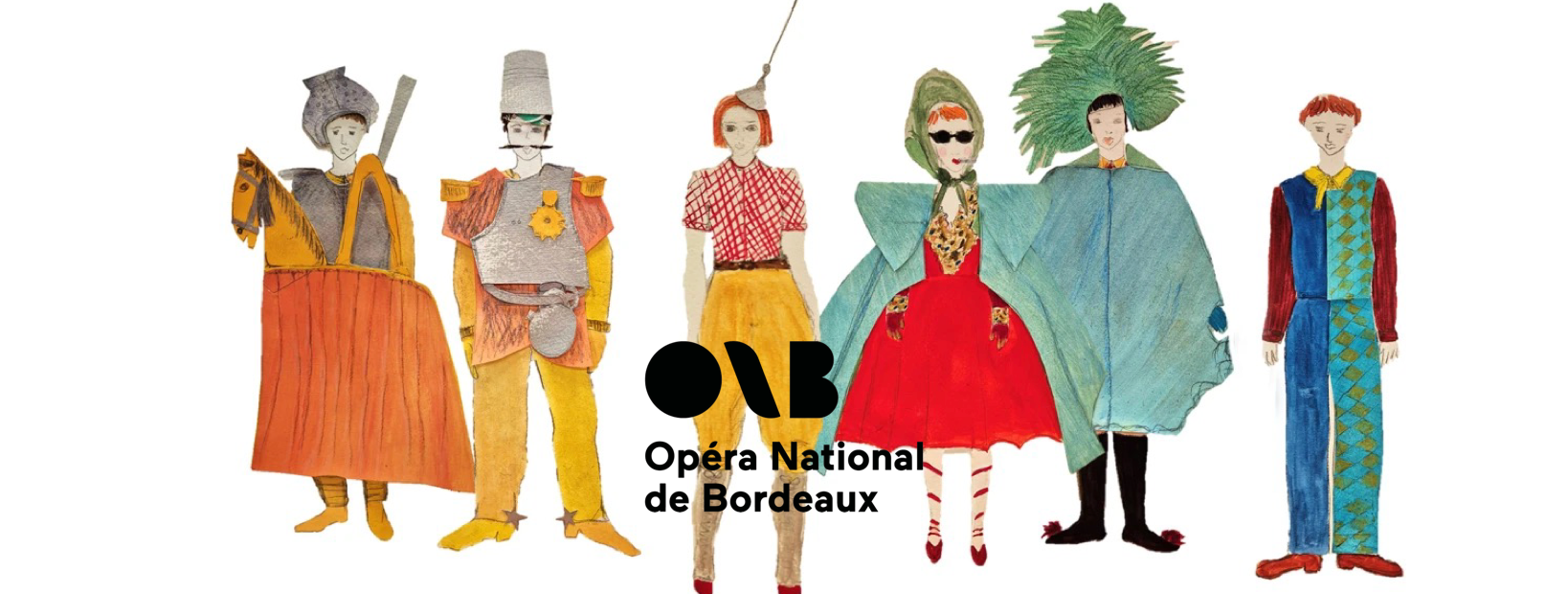
La Fille du Régiment | Opéra National de Bordeaux
Opéra participatif d’après l’opéra-comique en deux actes, La Fille du régiment de Gaetano Donizetti (1840)
Arrangement musical et orchestration Pierre-Olivier Schmitt
Adaptation du livret de Jules-Henri Vernoy de Saint-Georges et Jean-François Bayard Héloïse Sérazin
La Fille du Régiment | Opéra National de Bordeaux
Opéra participatif d’après l’opéra-comique en deux actes, La Fille du régiment de Gaetano Donizetti (1840)
Arrangement musical et orchestration Pierre-Olivier Schmitt
Adaptation du livret de Jules-Henri Vernoy de Saint-Georges et Jean-François Bayard Héloïse Sérazin
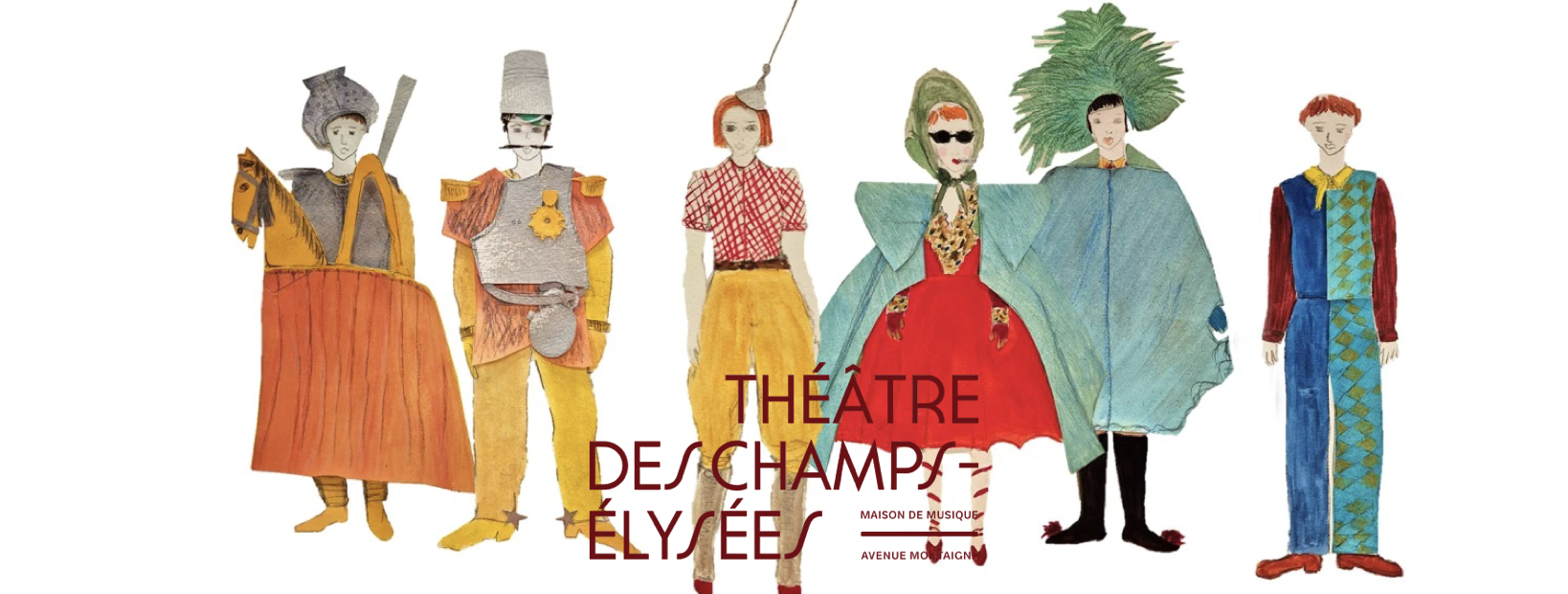
La Fille du Régiment | Théâtre des Champs-Elysées
Opéra participatif d’après l’opéra-comique en deux actes, La Fille du régiment de Gaetano Donizetti (1840)
Arrangement musical et orchestration Pierre-Olivier Schmitt
Adaptation du livret de Jules-Henri Vernoy de Saint-Georges et Jean-François Bayard Héloïse Sérazin
La Fille du Régiment | Théâtre des Champs-Elysées
Opéra participatif d’après l’opéra-comique en deux actes, La Fille du régiment de Gaetano Donizetti (1840)
Arrangement musical et orchestration Pierre-Olivier Schmitt
Adaptation du livret de Jules-Henri Vernoy de Saint-Georges et Jean-François Bayard Héloïse Sérazin
La Fille du Régiment | Théâtre des Champs-Elysées
Opéra participatif d’après l’opéra-comique en deux actes, La Fille du régiment de Gaetano Donizetti (1840)
Arrangement musical et orchestration Pierre-Olivier Schmitt
Adaptation du livret de Jules-Henri Vernoy de Saint-Georges et Jean-François Bayard Héloïse Sérazin
La Fille du Régiment | Théâtre des Champs-Elysées
Opéra participatif d’après l’opéra-comique en deux actes, La Fille du régiment de Gaetano Donizetti (1840)
Arrangement musical et orchestration Pierre-Olivier Schmitt
Adaptation du livret de Jules-Henri Vernoy de Saint-Georges et Jean-François Bayard Héloïse Sérazin
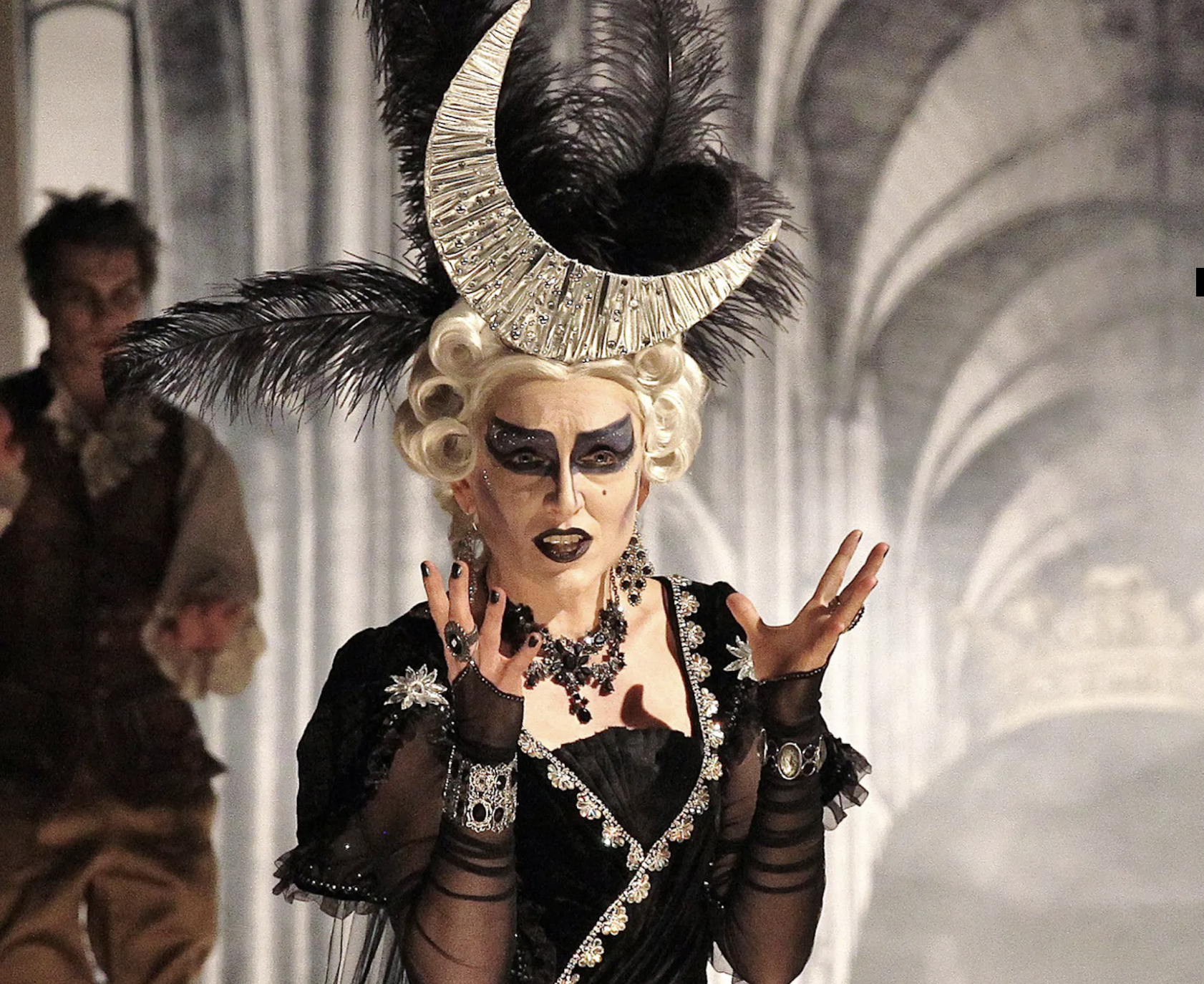
Die Zauberflöte | Prague National Theater
About
National Theatre Chorus
Prague Philharmonic Children's Choir
National Theatre Opera Ballet
Long Vehicle Circus
National Theatre Orchestra
Mozart’s illustrious operatic oeuvre is rounded off by a work providing both copious entertainment and food for thought, affording a fantastic spectacle and presenting a magical ritual of initiation of the human spirit. All that is encompassed in Die Zauberflöte, and all that can be found in Vladimír Morávek’s colourful production, featuring a thrilling atmosphere and teeming with mysterious symbols. There is something for everyone – adults and children, including, if fear hasn’t consumed them, the very youngest.
Mozart wrote Die Zauberflöte when he was 35 years of age. The piece was intended for the common people visiting the Theater an der Wien, where it premiered on 30 September 1791, a mere three months before the composer’s untimely death. The German libretto was penned by the actor, impresario and dramatist Emanuel Schikaneder, a friend of Mozart‘s. The creators drew upon the tradition of the old Viennese magic opera, in which alongside human characters appeared various supernatural beings and animals, and stage machinery effects were applied.
Die Zauberflöte has become the best-known example of this highly popular genre not only due to the fairy-tale story in which by means of a magic flute and his comical companion, Papageno, Prince Tamino seeks the way to Princess Pamina, the daughter of the Queen of the Night, but also thanks to the references to Masonic symbolism and, primarily, Mozart’s beguiling music, which warms the heart of audiences worldwide. A year after its premiere in Vienna, Die Zauberflöte was staged in Prague, at today’s Estates Theatre on 25 October 1792.
Die Zauberflöte | Prague National Theater
About
National Theatre Chorus
Prague Philharmonic Children's Choir
National Theatre Opera Ballet
Long Vehicle Circus
National Theatre Orchestra
Mozart’s illustrious operatic oeuvre is rounded off by a work providing both copious entertainment and food for thought, affording a fantastic spectacle and presenting a magical ritual of initiation of the human spirit. All that is encompassed in Die Zauberflöte, and all that can be found in Vladimír Morávek’s colourful production, featuring a thrilling atmosphere and teeming with mysterious symbols. There is something for everyone – adults and children, including, if fear hasn’t consumed them, the very youngest.
Mozart wrote Die Zauberflöte when he was 35 years of age. The piece was intended for the common people visiting the Theater an der Wien, where it premiered on 30 September 1791, a mere three months before the composer’s untimely death. The German libretto was penned by the actor, impresario and dramatist Emanuel Schikaneder, a friend of Mozart‘s. The creators drew upon the tradition of the old Viennese magic opera, in which alongside human characters appeared various supernatural beings and animals, and stage machinery effects were applied.
Die Zauberflöte has become the best-known example of this highly popular genre not only due to the fairy-tale story in which by means of a magic flute and his comical companion, Papageno, Prince Tamino seeks the way to Princess Pamina, the daughter of the Queen of the Night, but also thanks to the references to Masonic symbolism and, primarily, Mozart’s beguiling music, which warms the heart of audiences worldwide. A year after its premiere in Vienna, Die Zauberflöte was staged in Prague, at today’s Estates Theatre on 25 October 1792.
Die Zauberflöte | Prague National Theater
About
National Theatre Chorus
Prague Philharmonic Children's Choir
National Theatre Opera Ballet
Long Vehicle Circus
National Theatre Orchestra
Mozart’s illustrious operatic oeuvre is rounded off by a work providing both copious entertainment and food for thought, affording a fantastic spectacle and presenting a magical ritual of initiation of the human spirit. All that is encompassed in Die Zauberflöte, and all that can be found in Vladimír Morávek’s colourful production, featuring a thrilling atmosphere and teeming with mysterious symbols. There is something for everyone – adults and children, including, if fear hasn’t consumed them, the very youngest.
Mozart wrote Die Zauberflöte when he was 35 years of age. The piece was intended for the common people visiting the Theater an der Wien, where it premiered on 30 September 1791, a mere three months before the composer’s untimely death. The German libretto was penned by the actor, impresario and dramatist Emanuel Schikaneder, a friend of Mozart‘s. The creators drew upon the tradition of the old Viennese magic opera, in which alongside human characters appeared various supernatural beings and animals, and stage machinery effects were applied.
Die Zauberflöte has become the best-known example of this highly popular genre not only due to the fairy-tale story in which by means of a magic flute and his comical companion, Papageno, Prince Tamino seeks the way to Princess Pamina, the daughter of the Queen of the Night, but also thanks to the references to Masonic symbolism and, primarily, Mozart’s beguiling music, which warms the heart of audiences worldwide. A year after its premiere in Vienna, Die Zauberflöte was staged in Prague, at today’s Estates Theatre on 25 October 1792.
Requiem de Fauré | Opera National de Bordeaux
Orchestre
En 2005, le chef japonais Seiji Ozawa était au pupitre d’un concert historique à Hiroshima, soixante ans après les bombardements. Le Requiem de Fauré était au centre du programme, comme un baume apaisant sur la plaie ouverte du deuil. Dix ans plus tôt, Joseph Swensen composait Shizue, un concerto pour flûte shakuhachi qu’il dédiait à sa tante, victime directe de la tragédie qui a plongé un pays entier dans le chaos. Ce concert est donc un double hommage : un plaidoyer contre l’oubli et la promesse de faire la paix avec nos fantômes.
Concert capté par France Musique
Programme
Wolfgang Amadeus Mozart, Musique funèbre maçonnique K. 477
Joseph Swensen, Shizue, concerto pour shakuhachi et orchestre
Tōru Takemitsu, Requiem pour cordes
Gabriel Fauré, Requiem
Die Zauberflöte | Prague National Theater
About
National Theatre Chorus
Prague Philharmonic Children's Choir
National Theatre Opera Ballet
Long Vehicle Circus
National Theatre Orchestra
Mozart’s illustrious operatic oeuvre is rounded off by a work providing both copious entertainment and food for thought, affording a fantastic spectacle and presenting a magical ritual of initiation of the human spirit. All that is encompassed in Die Zauberflöte, and all that can be found in Vladimír Morávek’s colourful production, featuring a thrilling atmosphere and teeming with mysterious symbols. There is something for everyone – adults and children, including, if fear hasn’t consumed them, the very youngest.
Mozart wrote Die Zauberflöte when he was 35 years of age. The piece was intended for the common people visiting the Theater an der Wien, where it premiered on 30 September 1791, a mere three months before the composer’s untimely death. The German libretto was penned by the actor, impresario and dramatist Emanuel Schikaneder, a friend of Mozart‘s. The creators drew upon the tradition of the old Viennese magic opera, in which alongside human characters appeared various supernatural beings and animals, and stage machinery effects were applied.
Die Zauberflöte has become the best-known example of this highly popular genre not only due to the fairy-tale story in which by means of a magic flute and his comical companion, Papageno, Prince Tamino seeks the way to Princess Pamina, the daughter of the Queen of the Night, but also thanks to the references to Masonic symbolism and, primarily, Mozart’s beguiling music, which warms the heart of audiences worldwide. A year after its premiere in Vienna, Die Zauberflöte was staged in Prague, at today’s Estates Theatre on 25 October 1792.